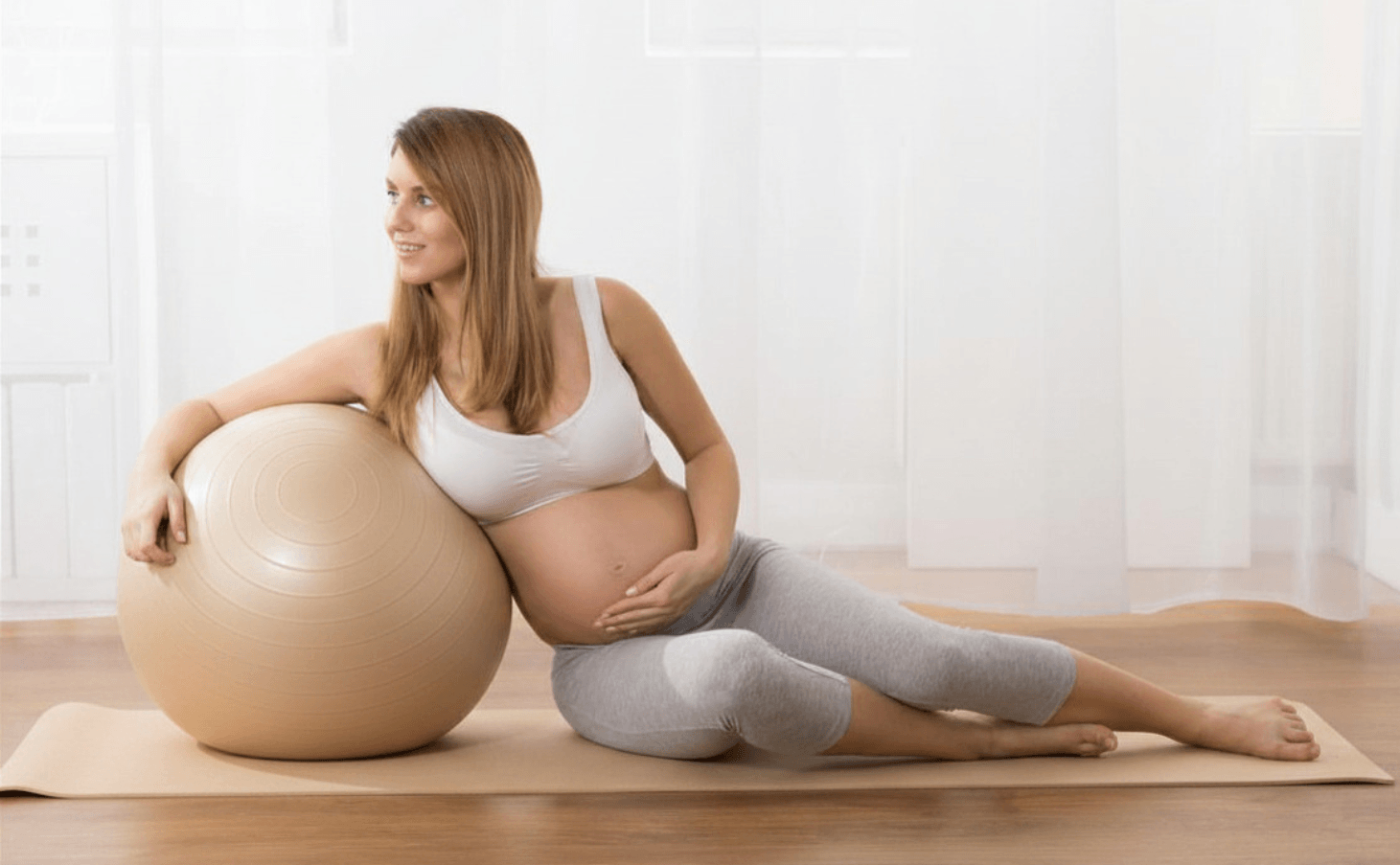
Is Pilates safe during pregnancy?
When you are considering the best exercise routine for pregnancy, you are not only thinking about your own body but also about the little being growing within you. Pregnancy, especially your first pregnancy, is an approx 40 week journey where you embark on a physical and mental transformation, moving from the individual to the mother. Pilates can be a wonderful way to stay connected with yourself and your baby throughout this changing and magical time.
That said, the full Pilates repertoire is not suitable for you throughout your pregnancy without specific modifications. Therefore, I would not advise jumping into a regular mat pilates class or gym class. I have had women in their 2nd and 3rd trimester show up to regular classes, and I have advised them against taking the class.
#1 Top Tip: Do not attend a general Pilates classes
You do not need to fear movement during pregnancy, but you do need a tailored and supportive approach to exercise while pregnant.
This is a time when your body wants gentle and consistent activation rather than intense bursts of activity. You can get back to an intense and challenging exercise routine later if that’s your flavour! There’s plenty of time for that. This isn’t that time.
#2 Top Tip: Look for gentle activation over intense workouts
I recommend working with a certified prenatal Pilates trainer, as there are a number of do’s and don’ts to ensure a safe and productive environment for exercise during pregnancy. The list below does not seek to replace live professional guidance but rather to help you be informed and empowered with information throughout your pregnancy.
How to approach Pilates safely during pregnancy
What should I do before a prenatal Pilates class?
#3 Top Tip: Work with qualified prenatal Pilates instructors only
- Work with a certified prenatal instructor. Take time to read reviews and choose someone you feel comfortable with throughout your pregnancy. Experience in adapting movement for each stage is essential.
- If you do not feel comfortable within your chosen class, move on and find a place that you are comfortable. Practice listening to yourself from the get-go. This is your journey.
- Before beginning any new exercise routine during pregnancy, it’s advisable to seek guidance from your GP or healthcare provider to ensure it is appropriate for your individual circumstances as there are a handful of conditions where Pilates would not be advised.
- There are always individual considerations during pregnancy. Working with a trusted instructor, and listening to your body, is key to moving safely and with confidence.
- If you have been diagnosed with hyper-mobility or double joints, make sure to let your prenatal Pilates trainer aware of this. The body becomes more flexible during pregnancy, so extra caution should be taken when moving through stretches.
What should I know during a prenatal Pilates class?
#4 Top Tip: Listen to your body – Pause and reset if you feel under strain
- As pregnancy progresses, increased pressure on the bladder is completely normal. Take pee breaks as needed during sessions – this is part of responding to your body’s changing needs. Please try not to hold it in.
- Stay hydrated – bring a bottle of clean water with you and keep sipping!
- Avoid lying flat on your back for extended periods, particularly after the first trimester, as this can place pressure on the inferior vena cava and affect circulation.
Exercises should be adapted to keep the upper body elevated, using props such as a wedge or incline to support safe and comfortable movement. - Stay away from any classical crunch-style ab work / sit-ups. You don’t need them. Your core work during pregnancy is more about breath and gentle connection than it is about ‘feeling the burn’.
- If you feel nauseous, lightheaded, or unwell at any point during a session, pause and rest. Avoid pushing through discomfort, as this can place unnecessary stress on both the body and the baby.
- Be mindful of breath. Avoid holding your breath during exercises, and instead focus on steady, natural breathing patterns that support both movement and relaxation.
- Avoid exercises that place excessive load or leverage through the body (e.g plank position), particularly as pregnancy progresses. Movements should be adapted to remain supportive, controlled, and comfortable.
- Avoid high-impact or overly strenuous movements, particularly if they are unfamiliar to you.
- If you experience any discomfort or pain during your session, first take a pause and then communicate this with your Pilates trainer.
What should I avoid in a prenatal Pilates class?
#5 Top Tip: Avoid high-intensity workouts, especially in the 2nd and 3rd trimester
- Crunches and sit-ups
- Deep twists
- Lying on your back for prolonged periods (over 3 minutes)
- Dehydration
- High intensity workouts
- Holding your pee
- Heavy weight lifting or resistance work
- Unfamiliar or challenging exercises
When should I stop or modify an exercise?
If you feel nauseous, dizzy, fatigued or under strain take a break, breathe and reset.
Looking for Pregnancy Pilates Classes in Dublin?
If you’re unsure where to start, or want guidance tailored to your stage of pregnancy, you can find more about pregnancy Pilates in Dublin here.
Pregnancy is a time to empower yourself with steady, connective and wholesome movement. Be confident in yourself and your innate ability to listen to your body. Remember there is no need to push through intensity. Be gentle with yourself. Mind yourself and your baby. Savour each breath, and have fun.
Move Better, Feel Better,
Aoife Moves