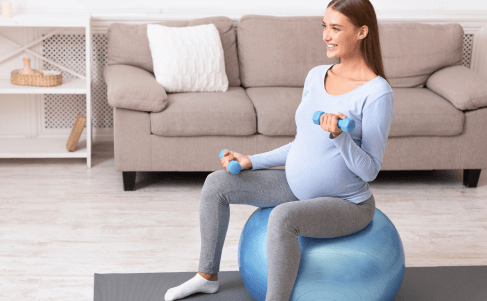
Pregnancy brings a natural shift in how the body feels and moves.
As the body adapts, it’s common to experience changes in posture, balance, and energy levels. Alongside this, questions often arise around what forms of movement are safe, supportive, and appropriate during this time.
Pilates during pregnancy in Dublin can offer a gentle and considered way to continue moving, when approached with care and guidance.
Is Pilates Safe During Pregnancy?
In most cases, Pilates can be a safe and beneficial form of movement during pregnancy.
However, this depends on:
- the stage of pregnancy
- individual health considerations
- how exercises are adapted for each stage
- previous levels of activity before pregnancy
It’s always important to:
- consult with your GP or healthcare provider
- work with an instructor experienced in prenatal movement
When these elements are in place, Pilates can provide a steady and supportive approach to staying active.
As with any form of movement during pregnancy, it’s important to seek guidance from your healthcare provider where needed. If you’re looking for Prenatal or Postnatal Pilates in Dublin, you can find more details here at the link below.
How the Body Changes During Pregnancy
As pregnancy progresses, the body undergoes a number of changes:
- increased joint laxity
- shifts in posture and centre of gravity
- changes in abdominal and pelvic floor support
- variations in energy levels
These changes require movement to be:
- more intentional
- more supportive
- less about intensity, and more about awareness
How Pilates Supports Movement During Pregnancy
Pilates focuses on controlled, low-impact movement, making it particularly well suited to supporting women throughout pregnancy, when guided with informed and specific attention.
It can help to:
- maintain gentle strength through the body
- support posture as the body changes
- improve breathing awareness
- encourage connection to the pelvic floor
- reduce tension through the back, shoulders, and hips
- build confidence in how the body adapts and responds
- support both physical and mental preparation for birth
The emphasis is not on pushing the body, but on supporting it as it adapts.
A Low-Intensity and Adaptable Approach
During pregnancy, movement should feel:
- steady
- responsive
- adaptable
Exercises are adjusted depending on:
- trimester
- comfort levels
- individual needs
- medical history
There is no pressure to keep up or to perform, only to move in a way that feels supportive and sustainable.
When to Take Extra Care
There are certain situations where additional care or modifications are needed.
These may include:
- later stages of pregnancy
- pelvic girdle pain
- specific medical considerations
Working in a small group or one-to-one setting can help ensure that movement is guided appropriately and safely.
For more information you can read my other blog here, which answer some of the common questions around the do’s and dont’s of prenatal Pilates.
Options for Support During Pregnancy
If you’re based in Dublin, you might choose:
- small group prenatal Pilates classes
- one-to-one sessions (recommended for tailored support)
- or a more individual approach depending on your stage of pregnancy
A Gentle Way to Stay Connected to your Body
Pregnancy is not a time to push your body or take on new physical challenges. It is a time to support yourself through thoughtful, well-guided movement.
Pilates offers a way to stay centred through a calm, considered practice, helping you feel more supported, more aware, and more at ease as your body changes.
Move Better, Feel Better,
Aoife Moves